Top Benefits of Professional eWaste Disposal: What You Should to Know
The treatment of e-waste is an critical priority during the current technology era. Professional electronic waste disposal organizations protect the ecosystem while also guaranteeing adherence to regulations. They address information security problems and streamline the removal sequence, which can profoundly shape costs and corporate image. Appreciating the multifaceted benefits of these services is essential for organizations committed to oversee their electronic waste with integrity. What crucial points ought companies consider when determining which service provider to engage?
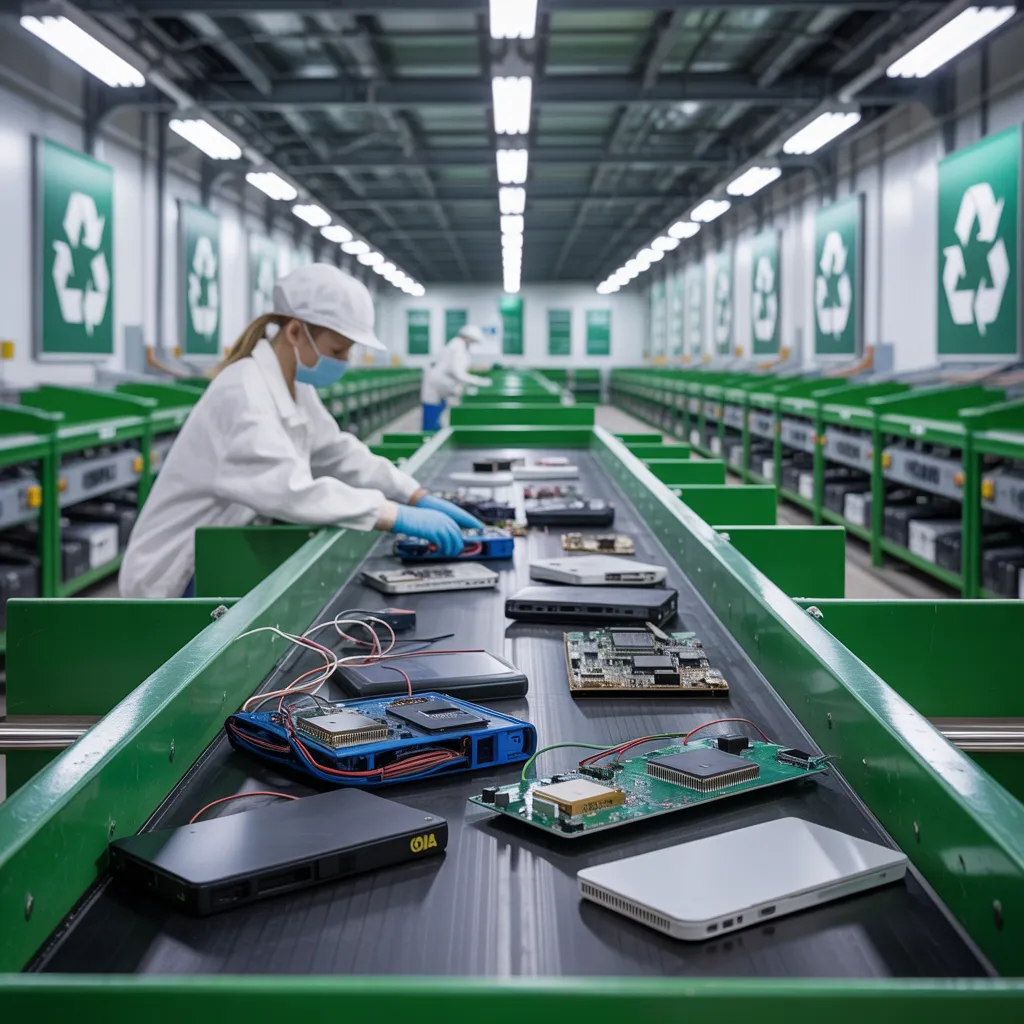
Why E-Waste Processing Matters for the Natural World
Although technology develops at a rapid speed, the ecological impact of electronic waste remains a vital concern. E-waste, which comprises discarded electronic items like smartphones, computers, and televisions, typically carries harmful substances such as lead, mercury, and cadmium. When poorly disposed, these elements can permeate soil and water sources, creating substantial health threats to natural habitats and human communities.
Furthermore, e-waste contributes to the increasing problem of landfills, where precious resources are wasted. Recycling and adequate disposal can lessen these effects by recovering materials like metallic elements and polymer materials, decreasing the need for virgin resources. Professional e-waste disposal services ensure adherence to environmental standards, promoting responsible management of electronic waste. By focusing on proper e-waste disposal, individuals and businesses can play a vital role in preserving the environment, saving resources, and supporting a sustainable future. Such practices are fundamental for minimizing the environmental footprint of a tech-based society.
The Impact of Obedience in E-Waste Disposal Regulations
Compliance with e-waste disposal rules is important in establishing a legal structure that oversees the handling of e-waste. These standards not only guarantee that organizations adhere to ecological standards but also reduce the detrimental effects of improper handling on natural ecosystems. Understanding the intersection of regulatory obligations and ecological considerations is essential for effective electronic waste handling.
Legal Structure Summary
The legal structure overseeing e-waste management is vital for ensuring environmentally responsible practices. Multiple regulations, including the Resource Conservation and Recovery Act (RCRA) in the United States, establish standards for the treatment and disposal of electronic waste. These regulations seek to reduce health risks and ecological dangers associated with improper disposal. Compliance with these regulations not only safeguards public health but also promotes accountability among producers and users. Furthermore, global treaties, such as the Basel Convention, emphasize the importance for sustainable e-waste handling on a global scale. Companies must stay informed about these regulatory obligations to prevent fines and advance sustainable operations. Comprehending this structure is essential for any entity involved in e-waste management.
Ecological Impact Concerns
Poor handling of e-waste creates major environmental risks, making adherence with disposal regulations an vital factor in minimizing these dangers. Electronic equipment typically contain toxic substances, such as lead and mercury, which can infiltrate into soil and water, impacting ecosystems and public health. Complying to e-waste disposal requirements guarantees that hazardous materials are handled safely, decreasing the probability of environmental contamination. Furthermore, adherence promotes the recovery of important materials, supporting environmental responsibility and resource conservation. Organizations that stress regulatory adherence not only aid in environmental protection but also improve their reputation. As consciousness of e-waste issues develops, adherence becomes progressively essential for businesses and individuals striving to reduce their ecological footprint and back responsible disposal practices.
How Professional Services Verify Safe Care of Hazardous Materials
Numerous enterprises encounter the challenge of controlling hazardous materials present in electronic waste, making professional services critical for safe treatment. These services are equipped with the expertise and resources necessary to handle toxic substances, such as lead, mercury, and cadmium, which are commonly found in outdated electronics. Professionals follow stringent regulations and guidelines to guarantee compliance with environmental laws, lowering the risk of contamination and harm.
Furthermore, trained technicians utilize specialized equipment and techniques to safely dismantle and recycle electronic components. This process lessens exposure to hazardous materials, protecting both workers and the community. Professional services also deliver proper documentation, ensuring accountability in the disposal chain. By entrusting e-waste disposal to certified experts, organizations can mitigate potential liabilities and foster sustainable practices, promoting a safer environment for all. Consequently, professional e-waste disposal is not only a legal necessity but also a prudent decision for handling hazardous materials.
Data Protection: Why Professional E-Waste Disposal Matters
Safeguarding cyber protection serves as a critical concern for organizations eliminating electronic waste. Aging hardware frequently harbor sensitive information, encompassing personal data, business secrets, and financial records. Careless discarding could lead to unauthorized access, exposing organizations at risk of legal liabilities and reputational damage. Certified disposal specialists adopt standardized approaches to securely erase data from devices, ensuring that it cannot be recovered.
These services often adhere to strict rules, such as GDPR and HIPAA, which mandate the secure processing of sensitive information. By assigning e-waste disposal to professionals, organizations mitigate threats connected to data theft and unauthorized access. Additionally, these specialists supply evidence that attests to correct data destruction, providing peace of mind to companies worried about their data security. In today’s world, where cyber threats are prevalent, giving priority to professional e-waste disposal is vital for safeguarding sensitive information and maintaining trust with clients and stakeholders.
Streamlining Your Electronic Waste Disposal Procedure
Implementing the e-waste disposal process involves streamlining effective gathering techniques and straightforward categorization systems. These practices not only boost workflow productivity but also guarantee secure waste management protocols are followed. By enhancing these steps, enterprises can considerably reduce their ecological footprint and enhance adherence with regulations.
Efficient Gathering Methods
Efficient methods are fundamental in refining the e-waste disposal process. With scheduled pickups and assigned drop-off sites, organizations can effectively minimize the hurdles for consumers to dispose of their electronic waste in a responsible way. Utilizing specialized collection vehicles and trained personnel guarantees that e-waste is handled safely and securely, minimizing the risk of environmental contamination. Moreover, teaming up with local businesses and community organizations strengthens outreach activities, motivating greater engagement in recycling programs. Sophisticated tracking systems can be utilized to oversee collection rates and detect trends, aiding ongoing enhancements in disposal methods. At last, these efficient methods of collection assist in fostering a sustainable approach to electronic waste management, benefiting the environment and local societies.
Simplified Sorting Procedures
Efforts to strengthen effective gathering approaches naturally create a necessity for straightforward classification methods. Refining the sorting process substantially cuts the time and labor needed for e-waste disposal. By deploying clear categorization systems, organizations can swiftly recognize and organize various types of electronic waste, such as computers, mobile devices, and appliances. This not only expedites the disposal process but also reduces the risk of cross-contamination among different materials. Additionally, simplified sorting alleviates the load on workers, allowing them to focus on compliance and safety measures. Ultimately, well-designed categorization systems ensure that e-waste is processed ethically, setting the stage for suitable recovery and management, while also advancing overall environmental sustainability.
Responsible Waste Handling Standards
Implementing responsible recycling procedures is vital for effective e-waste disposal. Professionals in the field prioritize methods that minimize ecological damage and ensure compliance with regulations. This includes the proper segregation of items, such as metals, plastics, and hazardous components, to facilitate streamlined recycling. By employing certified recycling facilities, e-waste is processed with the highest care, reducing the risk of dangerous materials contaminating the environment. Additionally, safe practices support the recovery of valuable materials, contributing to a closed-loop economy. Organizations that utilize these practices not only protect the environment but also boost their reputation as responsible corporate citizens. Ultimately, adopting safe recycling practices streamlines the e-waste disposal process, ensuring sustainability and compliance with legal standards.
Budget Benefits of Certified E-Waste Elimination
Many businesses discover that expert electronic waste management can profoundly reduce long-term costs associated with handling obsolete electronics. By delegating e-waste management, organizations minimize expenses connected with storage, handling, and potential fines for improper disposal. Professional services often include collection, transportation, and recycling, simplifying operations and reducing labor costs.
Furthermore, certified e-waste removal companies guarantee adherence with ecological regulations, helping businesses avoid substantial penalties that arise from non-compliance. This proactive approach not only avoids monetary setbacks but also strengthens the company's reputation as an environmentally responsible organization.
Furthermore, several electronic waste removal providers supply secure data elimination, protecting private data and reducing the possibility of data breaches that could trigger substantial legal penalties. In the end, committing to professional e-waste disposal produces considerable financial benefits, highlighting the value of embracing a calculated method to waste management.
Finding a established E-Waste Disposal Solution?
How can companies ensure they select a trustworthy e-waste disposal service? First, they should verify credentials and adherence with local rules, ensuring the service adheres to ecological standards. A credible provider will have helpful guide certifications such as R2 or e-Stewards, which indicate responsible waste management practices.
Next, enterprises should look into the provider's experience and track record. Reviews and testimonials can give insight into the reliability and quality of service. Additionally, a reputable company will offer transparent pricing and clearly outline their disposal processes.
It is also crucial to ask about data protection standards. A trustworthy service should ensure the safe disposal of sensitive information on devices. Finally, businesses may benefit from opting for a service that supplies additional services, such as asset recovery or refurbishment, bolstering overall value. By taking these actions, businesses can confidently pick a reputable e-waste disposal partner that supports their sustainability goals.
Popular Submitted Questions
What Varieties of Electronic Items Can Be Discarded Professionally?
Professionally handled electronics include computers, monitors, televisions, printers, smartphones, tablets, and other devices containing circuit boards or batteries. Proper management assures hazardous materials are handled safely, promoting environmental responsibility and compliance with regulations.
How Often Should Companies Dispose of E-Waste?
Enterprises should dispose of e-waste at least annually or more frequently, depending on their amount of obsolete electronics. Consistent removal helps reduce environmental impact and ensures compliance with regulations regarding toxic substances.
Can you receive tax deductions for e-waste recycling?
Tax benefits for e-waste recycling are available in multiple formats, including credits and deductions. These incentives encourage businesses to responsibly recycle, reducing environmental impact while potentially lowering their tax obligations through involvement in approved recycling initiatives.
Can Non-Profit Institutions Obtain Benefits From E-Waste Recycling Services?
Non-profit entities can absolutely gain from e-waste disposal services. These solutions often deliver economical solutions, encourage environmental responsibility, and may generate fundraising possibilities through alliances, boosting their community engagement and sustainability programs.
What Takes Place to E-Waste After Specialized Disposal?
Upon proper treatment, e-waste is ordinarily separated into parts, with recoverable matter divided. Hazardous substances are appropriately handled, while reusable components are reconditioned or redistributed, upholding environmental safety and promoting resource conservation in a sustainable manner.